

Vietnam e-Visa for Indians: Step-by-Step Guide, Fees & Documents (2026)
How Indian citizens can apply for a Vietnam e-visa in 2026 - fees, validity, required documents and the exact application steps.
Vietnam requires a visa for ordinary Indian passport holders, but the e-visa system is one of the more straightforward Southeast Asia visa processes if you know the steps upfront.
Do Indians need a visa for Vietnam?
Yes, ordinary Indian citizens need a visa to enter Vietnam for typical tourism trips. There is no broad bilateral visa-free arrangement for ordinary Indian passport holders.
The narrow exception travelers often ask about is a 30-day visa-free entry for trips limited to Phu Quoc Island. If your holiday is Phu Quoc-only, confirm the current conditions before booking flights. For Hanoi, Ho Chi Minh City, Halong Bay, Da Nang or any mainland Vietnam itinerary, the e-visa is the practical route to use.
e-Visa fees and validity
- Single-entry e-visa: USD 25, roughly Rs. 2,100-2,500 depending on card conversion and exchange rate
- Multiple-entry e-visa: USD 50, roughly Rs. 4,200-4,500 depending on card conversion and exchange rate
- Validity: up to 90 days, for either single or multiple entry
- Fees are paid online at the time of application and are non-refundable, even if the application is rejected.
If your trip includes a side visit to Cambodia or Laos and back into Vietnam, the multiple-entry option is worth the extra cost. A single-entry e-visa becomes invalid once you exit Vietnam, even if the 90-day window has not run out.
Documents you will need
- Passport valid for at least 6 months beyond your arrival date, with at least 2 blank pages
- A recent passport-style photo, usually 4x6cm, white background and no glasses
- Your confirmed entry point, such as airport, land border or seaport
- Basic travel details, including arrival date, accommodation and purpose of visit
Double-check your flight details before submitting. Your entry point matters, and errors can create avoidable airport trouble.
Step-by-step application process
- Apply through the official government portal at evisa.gov.vn or through a trusted visa agency.
- Select single-entry or multiple-entry based on your itinerary.
- Upload your passport photo page and photograph.
- Pay the government fee online via international debit or credit card.
- Wait for processing. The official guidance states 3 working days, while agencies may offer expedited options for urgent departures.
- Download and print your approved e-visa. Carry both a printed copy and a digital copy because airlines may check it before boarding.
Timing tip: apply at least 7-10 days before departure. Processing can slow around Vietnamese public holidays, especially Tet, the Lunar New Year holiday in January or February.
Common mistakes to avoid
- Selecting the wrong entry port or submitting flight details before they are final
- Uploading a passport photo that does not match the required size, background or no-glasses rule
- Leaving the application to the last minute in peak season
- Assuming single-entry covers a multi-country Southeast Asia loop
Once your visa is sorted
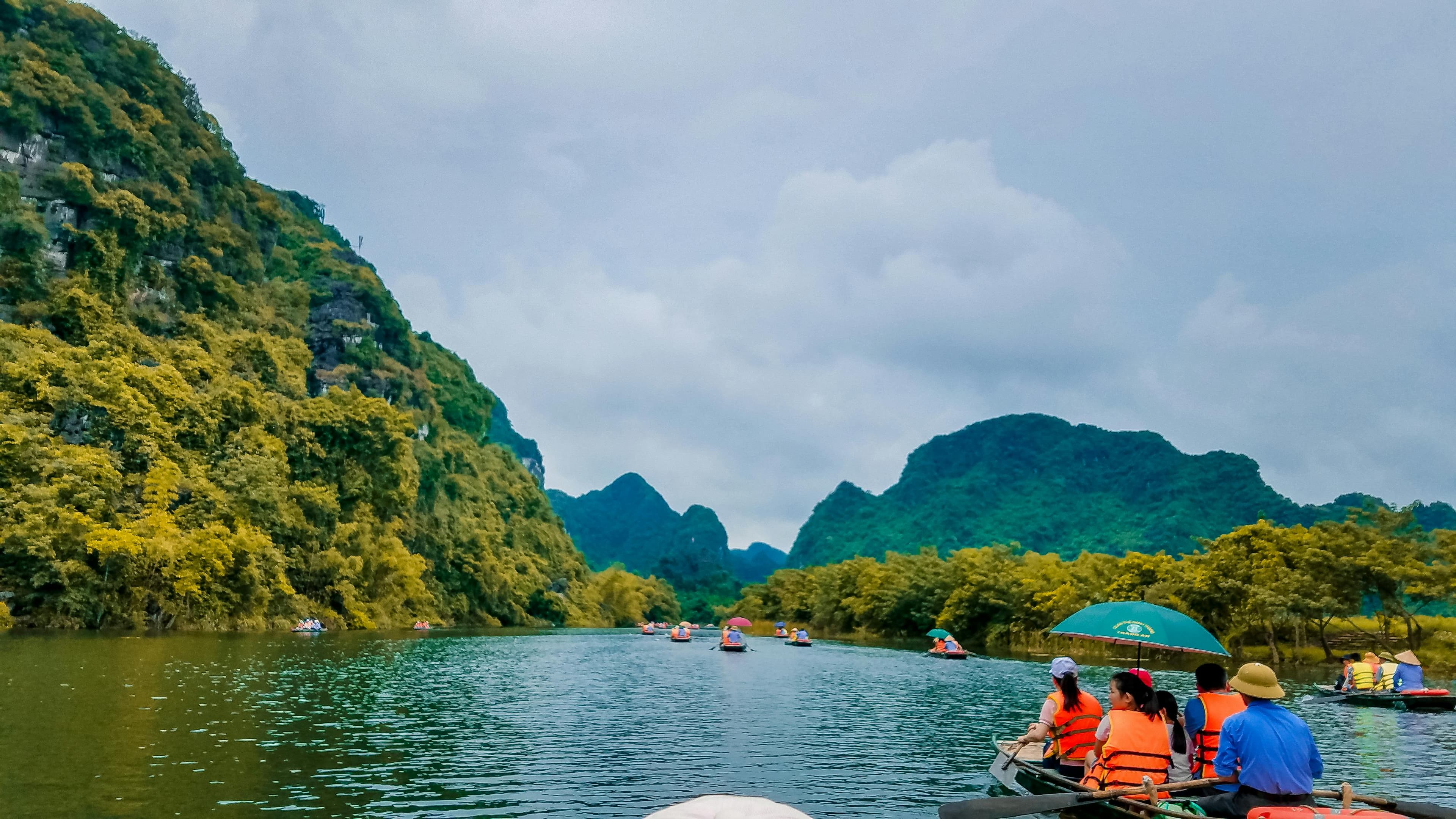
With the paperwork out of the way, the rest of a Vietnam trip is easy to enjoy: Halong Bay, Hanoi's old quarter, street food walks, heritage sites and scenic city breaks.
If you would rather have visa assistance, hotels, transfers and sightseeing bundled together, our Vietnam Adventure package covers a 7-night, 8-day itinerary including Halong Bay, curated city tours and cultural landmarks.